Paris prepares for Armistice Day commemorations
The French capital hosts the annual Armistice Day ceremonies on November 11 to commemorate the end of World War I. State officials, military units, and international delegations gather in central Paris to conduct formal ceremonies and pay tribute to war victims. The city adjusts transport schedules, installs security cordons, and prepares viewing zones for residents and travelers.
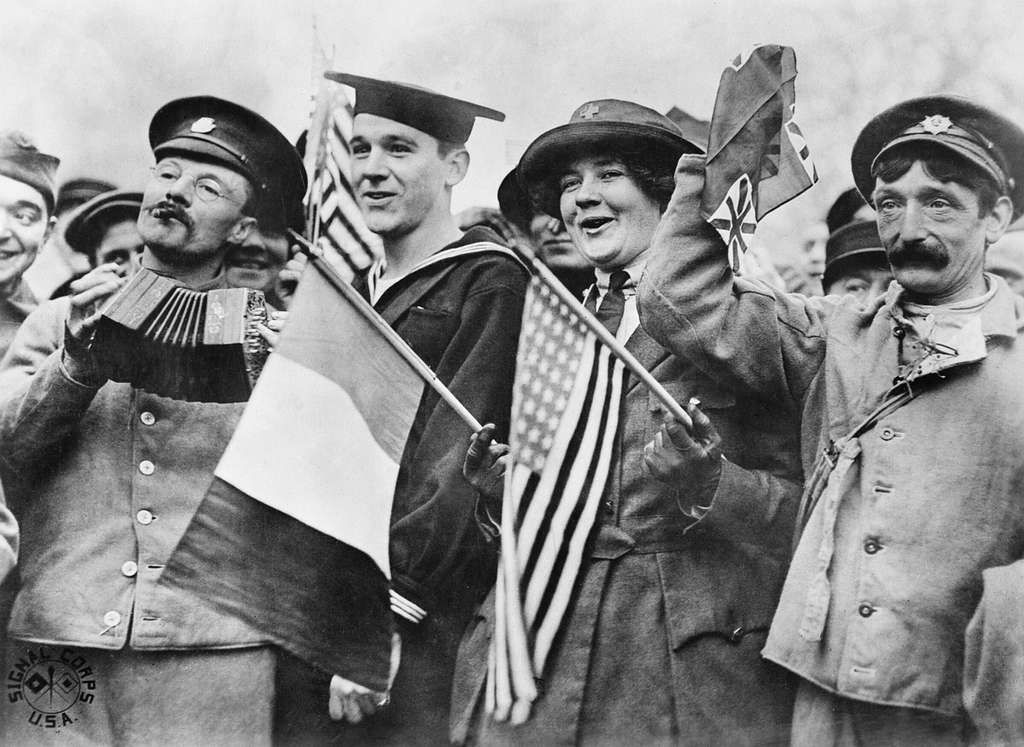
What is Armistice Day?
Armistice Day marks the end of World War I battles. Allied and German representatives signed the agreement on November 11, 1918, in Compiègne. The ceasefire took effect at eleven in the morning. Today, French authorities dedicate this date to honoring fallen soldiers. Paris organizes state ceremonies at historical monuments. The schedule includes military reviews, floral tributes, and moments of silence. Security forces restrict access to the Arc de Triomphe, but visitors observe the proceedings from designated perimeter zones. The government designates November 11 as a national holiday, which alters standard business operations. The event offers international travelers an opportunity to witness official state protocols in central Paris. The commemorations remember the past and promote peace.
Photo: Armistice Day Celebrations, Paris, 11 November 1918.
Armistice Day Program 2026
Official organizers advise that event times remain subject to alterations based on state protocol and security directives.
| Hora | Ceremonia / Evento | Ubicación |
|---|---|---|
| 10:30 | Tribute and Wreath Laying for Georges Clemenceau | Statue of Georges Clemenceau (Champs-Élysées) |
| 10:45 | Presidential Military Review of Armed Forces | Place Charles de Gaulle |
| 11:00 | Floral Offering, Ceasefire Call, and Minute of Silence | Tomb of the Unknown Soldier (Arc de Triomphe) |
| 11:30 | Morning Rekindling of the Flame of Remembrance | Arc de Triomphe |
| 18:30 | Evening Veterans' Vigil and Public Flame Ceremony | Arc de Triomphe |
Tribute to Georges Clemenceau
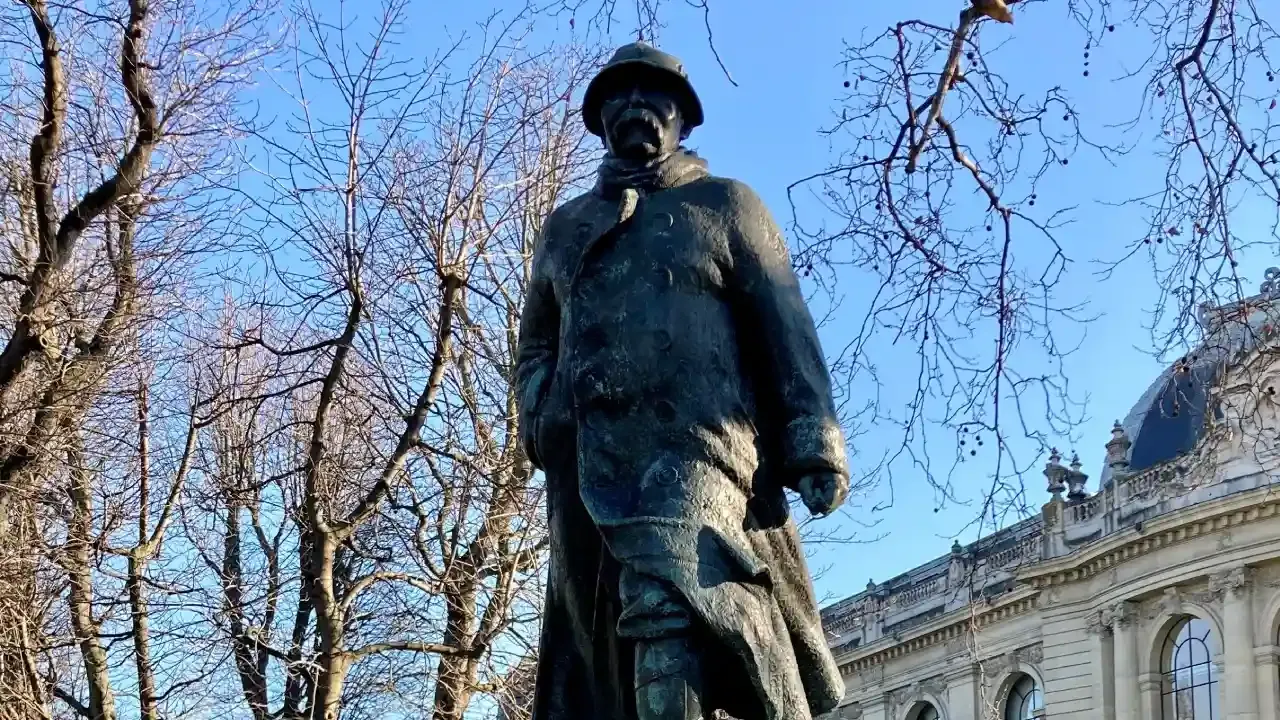
Tribute to Georges Clemenceau
The President of the French Republic opens the day's schedule by traveling to the Champs-Élysées at approximately 10:30. The head of state approaches the monument dedicated to Georges Clemenceau, who led France during the final year of World War I. Military guards hold formation as the President lays a floral wreath at the base of the statue. Cabinet ministers and senior commanders attend the ceremony to pay formal tribute to the historical statesman. The protocol team secures the surrounding avenue, and security officials restrict vehicle traffic around the intersection. Spectators gather behind designated barriers on the pedestrian sidewalks to observe the national leadership perform this opening civic duty before departing toward Étoile.
Photo: “Statue of Georges Clemenceau in Paris” by Dudva.
Troop Review at Place Charles de Gaulle
The presidential motorcade travels toward Place Charles de Gaulle with an escort from the Republican Guard around 10:45. The military governor of Paris formally welcomes the head of state upon arrival at the central plaza. The President inspects the assembled armed forces detachments standing in formation beneath the historic monumental arches. Regimental bands play ceremonial fanfares and the national anthem while commanders present their units for review. The defense staff organizes this display to represent every branch of the French military and honor collective national defense. Security cordons keep the public behind barriers, allowing visitors along the avenue to observe the synchronized troop movements, formal inspections, and traditional military presentation from exterior viewpoints.
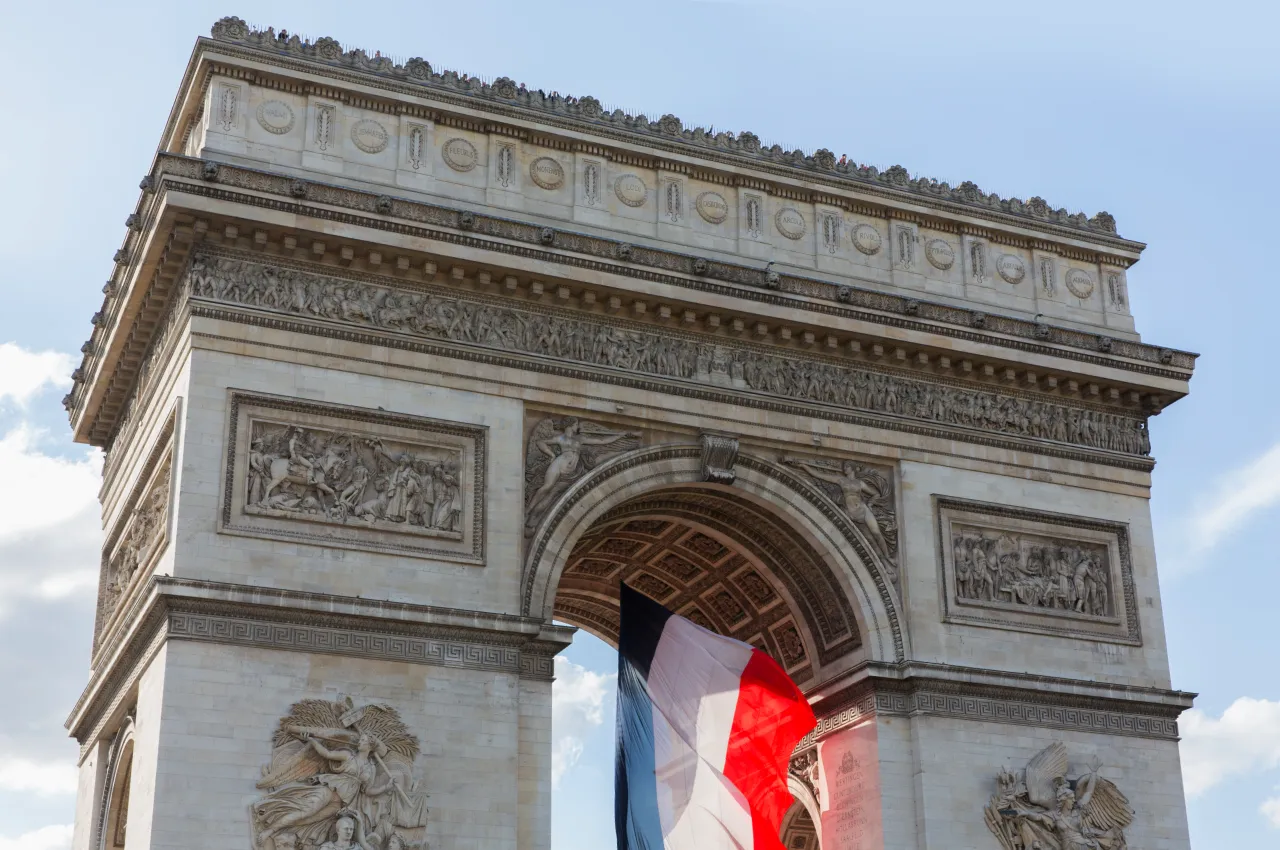
Floral tribute and minute of silence at the Tomb
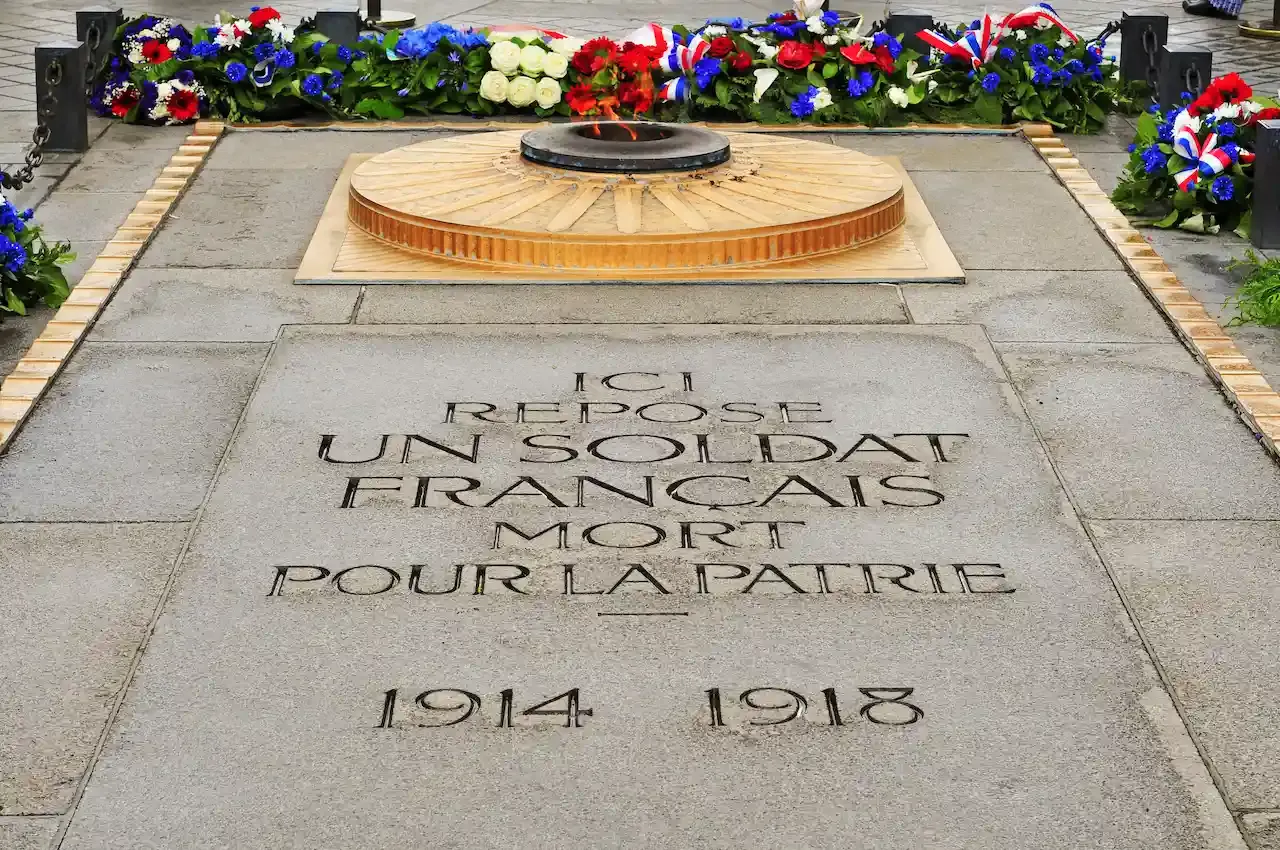
The President walks to the Tomb of the Unknown Soldier beneath the arch to conduct the central memorial act at 11:00 sharp. The head of state places a tricolor floral arrangement across the bronze plaque. A military bugler sounds the official ceasefire call at precisely eleven o'clock to mark the historic armistice moment. Attendees observe one minute of absolute silence across the plaza to honor the memory of fallen soldiers. Military choirs perform the French national anthem immediately following the silence. International diplomats, cabinet members, and veteran representatives participate in the gathering. Television networks broadcast the homage across the country, while travelers standing near the perimeter hear the solemn bugle calls directly from the streets.

Rekindling of the Flame
The morning ceremony concludes with the ritual rekindling of the Flame of Remembrance at the memorial site around 11:30, while veterans conduct an additional public vigil at 18:30. The President greets war veterans and student representatives before approaching the sacred hearth. Using a ceremonial brass sword, the head of state revives the eternal flame that has burned continuously beneath the arch since 1923. Student delegates assist the authorities during this symbolic gesture to emphasize generational transmission of historical memory. Following the completion of the ritual, official delegations depart the plaza under police escort. City authorities subsequently open the public pedestrian pathways, allowing afternoon travelers to visit the arch, view floral tributes, and observe the flame.
Recommendations for travelers in Paris on Armistice Day
- Public transport disruptions: The RATP closes metro stations directly serving the ceremony area—including Charles de Gaulle – Étoile, George V, Franklin D. Roosevelt, and Champs-Élysées – Clemenceau—from early morning until early afternoon. Travelers must alight at alternative stations such as Concorde or Saint-Philippe-du-Roule and walk toward the avenue.
- Early arrival: Spectators should position themselves along the upper sidewalks of the Champs-Élysées at least 60 to 90 minutes before the 11:00 AM ceremony to clear security perimeters.
- Security checkpoints: Police officers conduct mandatory bag searches and body scans at entry points leading into the event corridor. Travelers should carry minimal belongings and valid identification documents.
- Afternoon access: The prefecture reopens the interior plaza of the Arc de Triomphe during the afternoon, which allows the public to view the fresh wreaths and the eternal flame after the departure of official convoys.
- Holiday operating hours: As November 11 is a national holiday, public administrative buildings, banks, and post offices remain closed, whereas most major commercial centers, cafes, and state cultural sites operate on standard schedules.
Other places you can visit in Paris
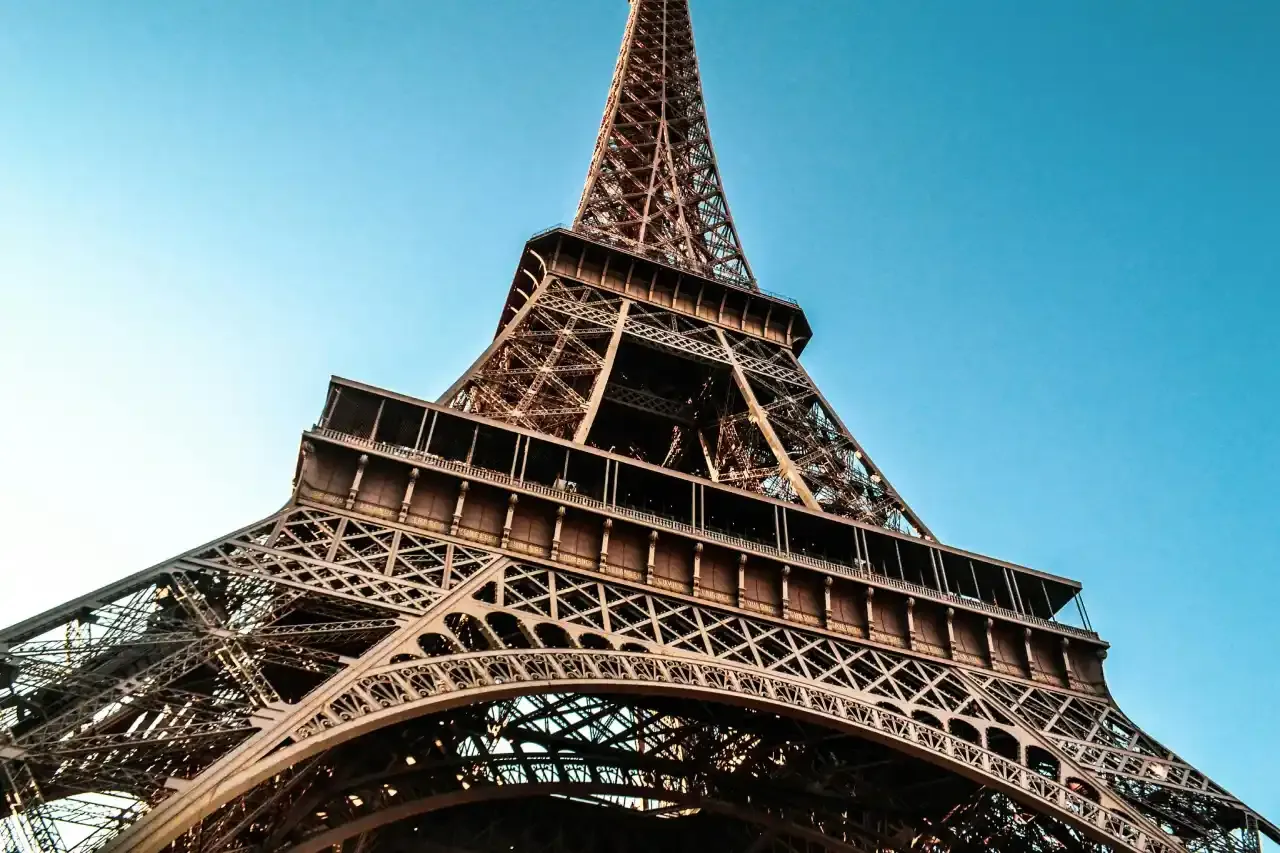
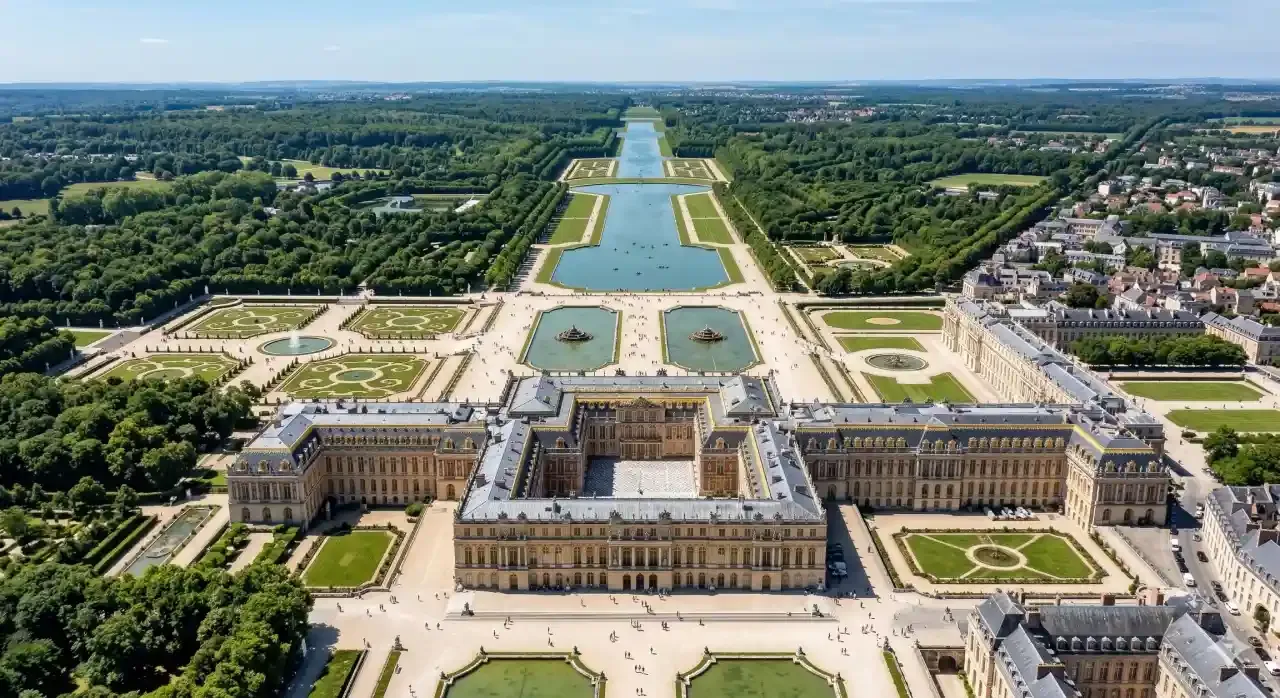
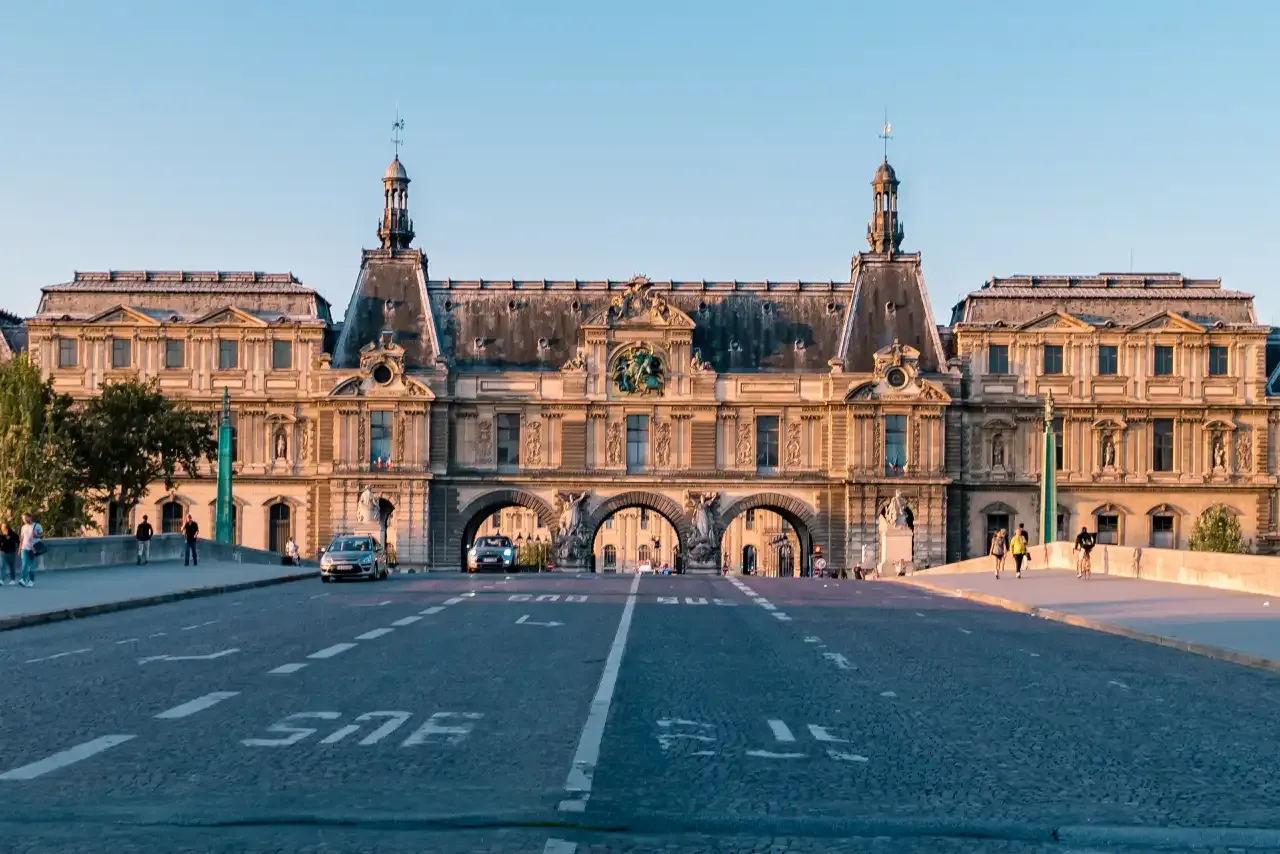
Visitors can spend the remainder of the holiday exploring the main attractions of Paris. Multiple landmarks maintain standard visiting hours throughout the day: