
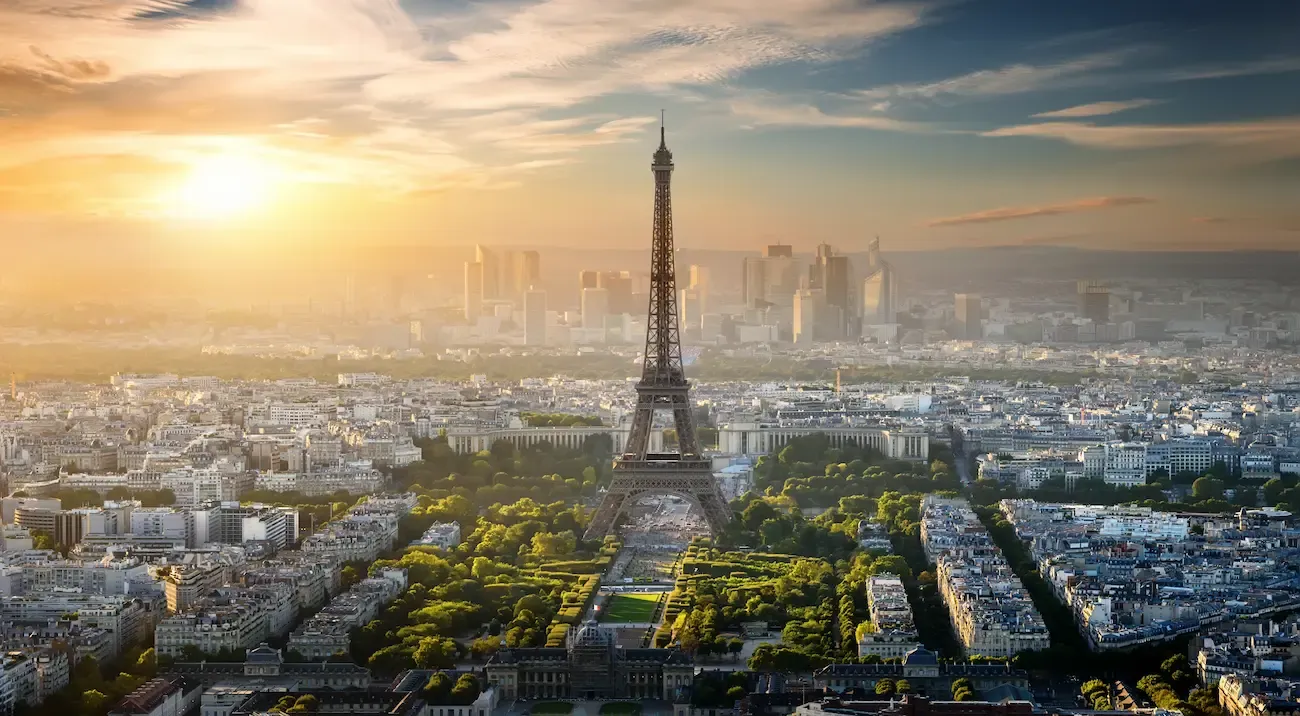
Paris city guide for first-time visitors
This Paris city guide covers what a first 2026 visit requires: four to five days, advance timed bookings for the Louvre and Versailles, and awareness of the new EU digital border checks that began in April 2026. The planning essentials for visiting Paris appear below.
Ideal trip length
Four to five days suits a first visit, while a full week adds Versailles and unhurried neighborhood time.
Weekly budget
A mid-range week costs about $2,500 per person including flights. Budget travelers manage $1,200 to $2,000.
Entry rules in 2026
Biometric EES border checks have applied since April 2026, and ETIAS is not required until late 2026.
What are the must-do things in Paris?
The defining Paris experiences combine a handful of world-famous landmarks with daily rituals that cost little or nothing, from café terraces to riverside walks along the Seine River. These experiences belong on any first visit:
Make a morning bakery run
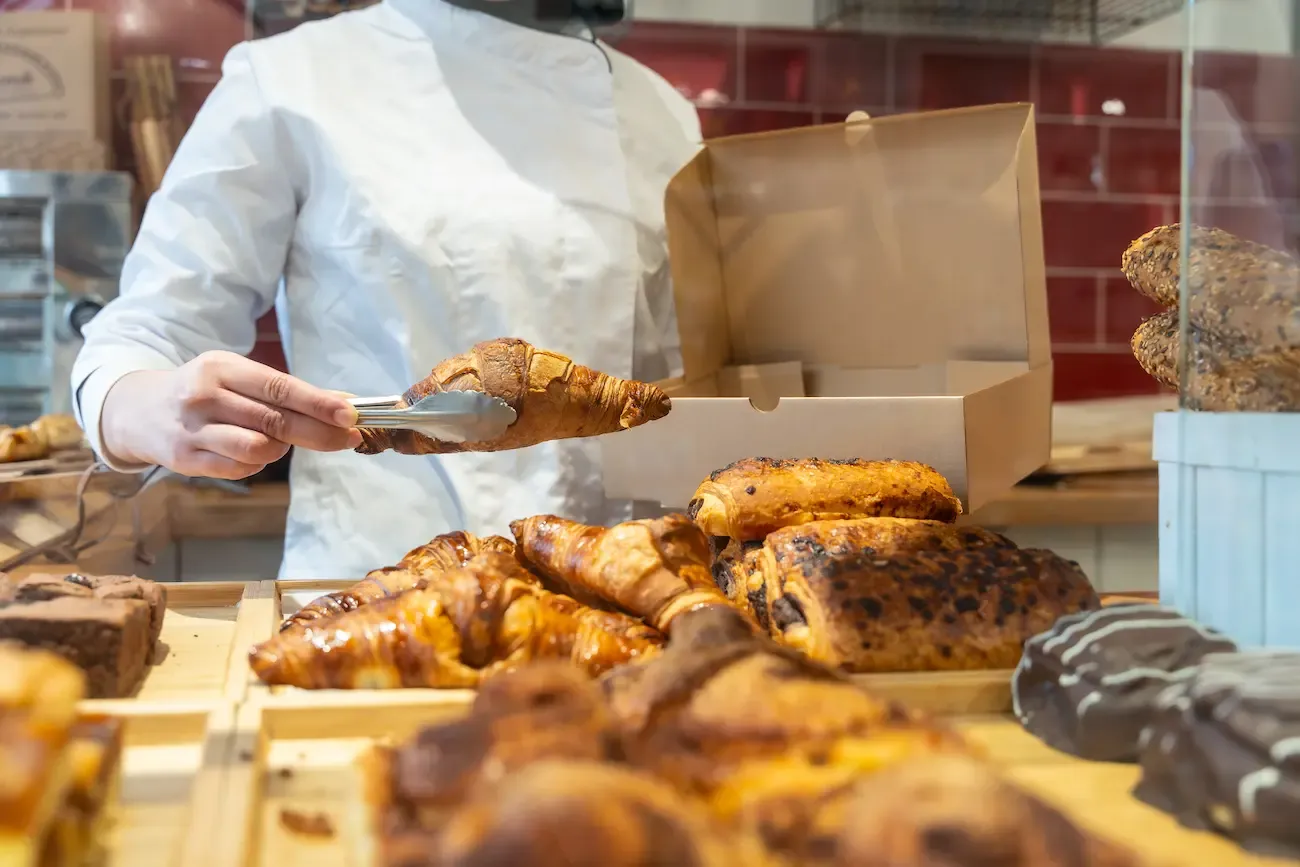
Make a morning bakery run
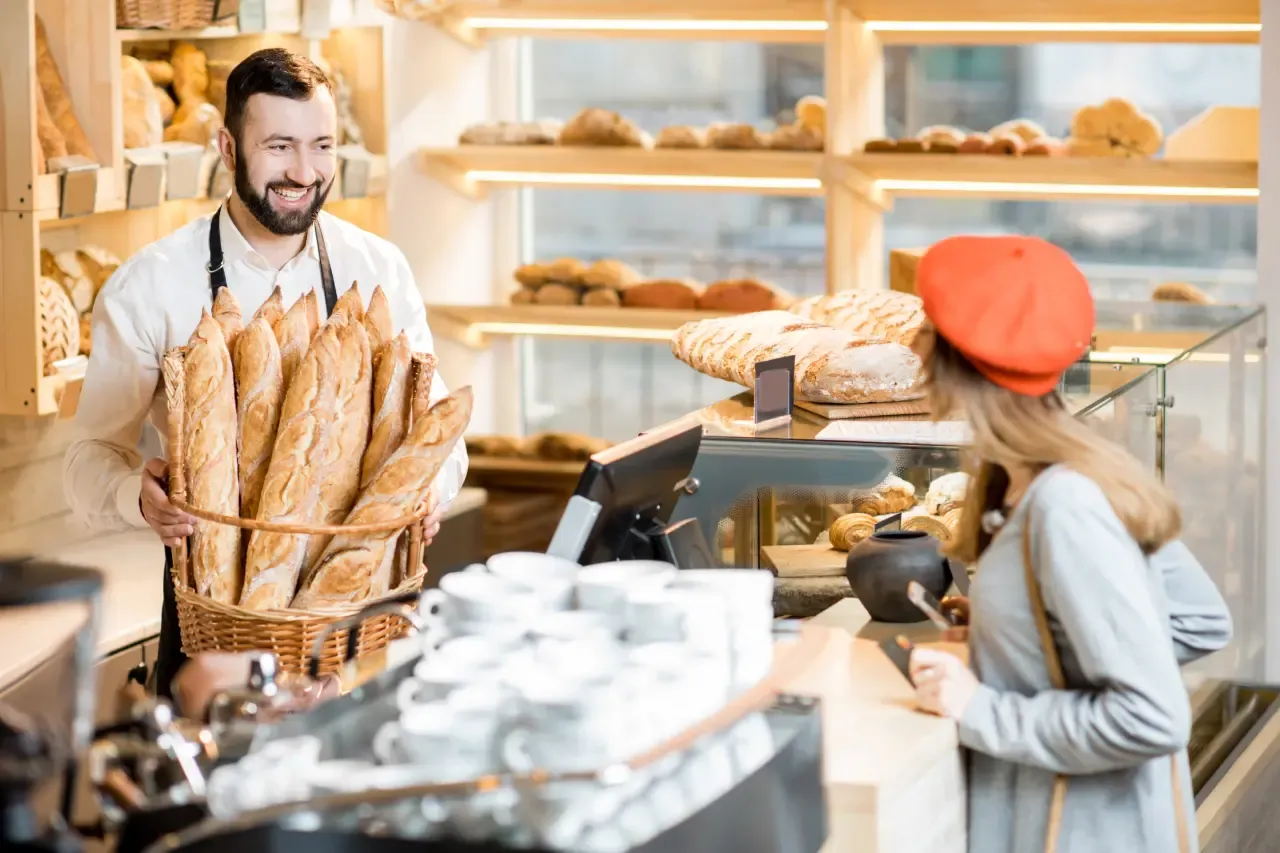
Roughly 1,300 boulangeries and patisseries operate across the city, which means a serious bakery rarely sits more than a few blocks away. The morning line moves fast and follows a script: bonjour first, then the order, then merci, au revoir on the way out.
Croissants and pains au chocolat peak just after opening, while the pre-4 p.m. line for the goûter, the afternoon snack ritual, signals which neighborhood spots locals actually rate. In late July and August, many family-run bakeries close for their annual break, so a backup address helps.
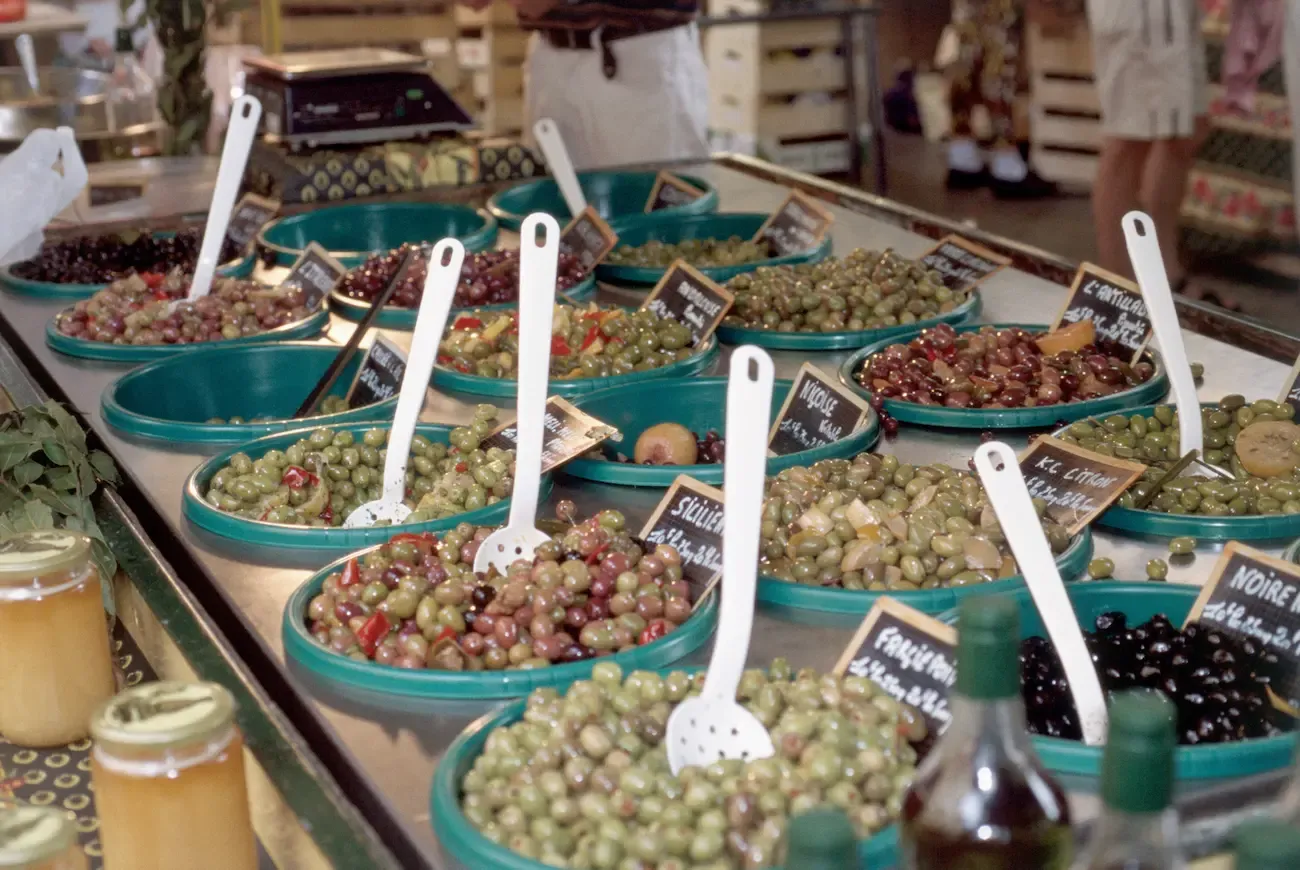
Browse a street market
Market streets compress the city's food culture into a few hundred meters of cheese counters, produce stalls, rotisserie chickens, and unhurried people-watching. Rue Mouffetard in the Latin Quarter is the classic example, a sloping medieval street where students and long-time residents shop side by side.
Mornings bring the best selection, and Sunday mornings the best atmosphere, before most stalls shut by early afternoon. The etiquette is simple, since vendors handle the produce and expect a bonjour before the order; pointing and a few numbers in French go a remarkably long way.
Picnic in the Jardin du Luxembourg
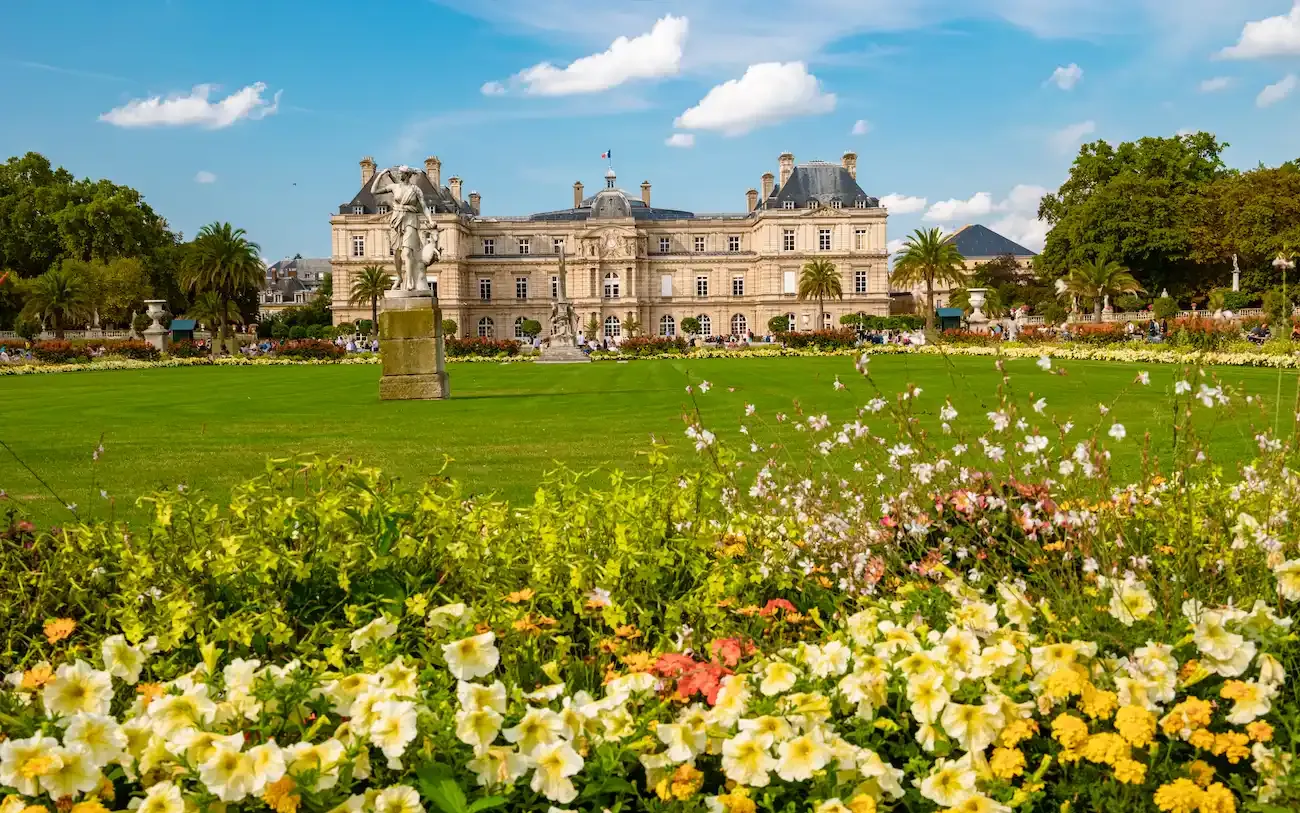
Picnic in the Jardin du Luxembourg
The 6th arrondissement park ranks among Europe's finest urban gardens, and it works as a picnic ground precisely because it invites lingering. The famous green metal chairs are free to drag anywhere, so visitors cluster them around the central basin, where children rent miniature sailboats, or into shaded corners near the Medici Fountain.
Supplies are easy to assemble nearby, with bakeries and market streets such as Rue Mouffetard a short walk east. Lawns are mostly off limits, in true Parisian fashion, but the chairs and broad gravel terraces more than compensate.
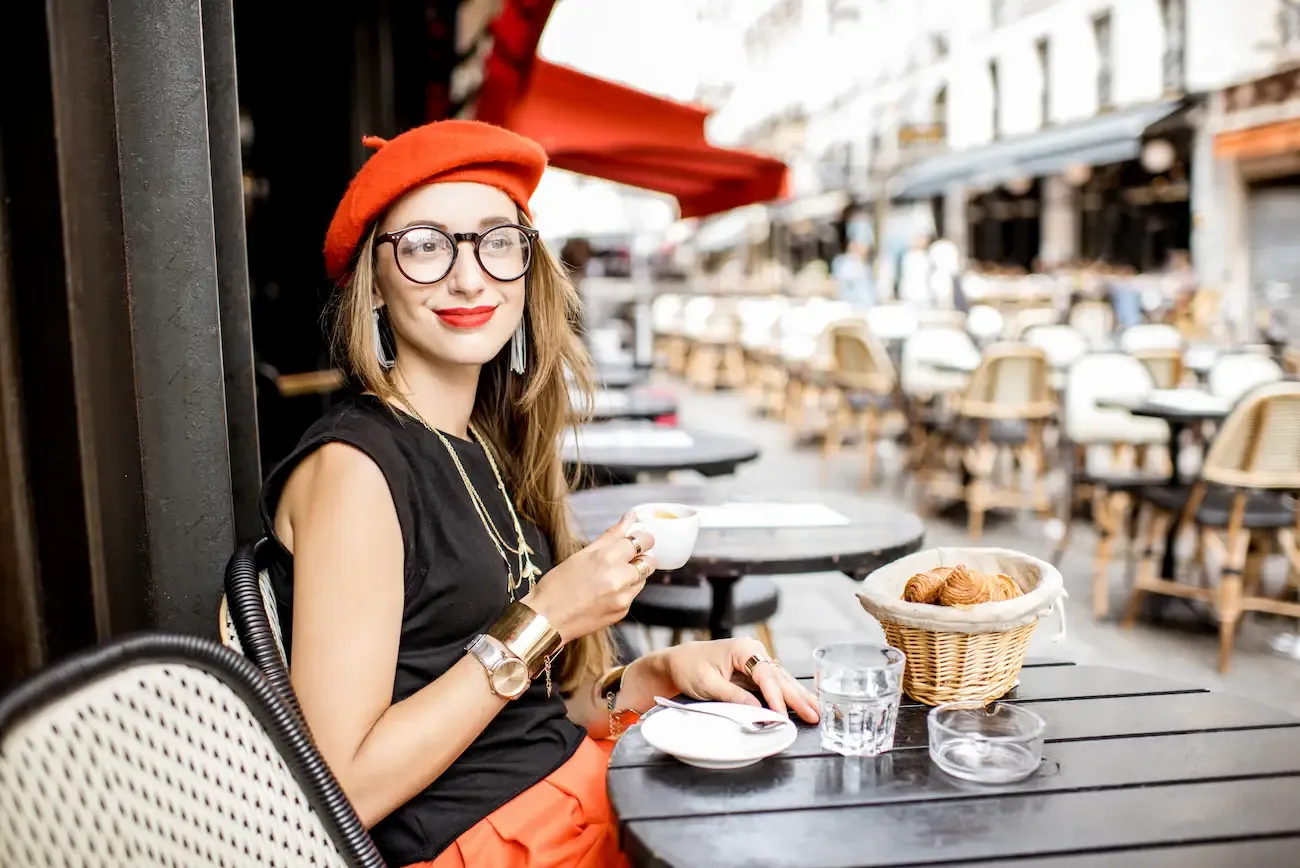
Linger on a café terrace
Parisians treat terraces as extensions of the living room, and a seat costs nothing more than the drink itself. The ritual starts with a bonjour to the server, since skipping the greeting marks a visitor as rude before the order arrives.
Once served, the table belongs to its occupant; the check only appears when requested, because leaving guests alone is considered politeness rather than neglect. Mid-morning, outside the 12:00 to 14:00 lunch rush, brings the calmest service.
Climb through Montmartre at golden hour
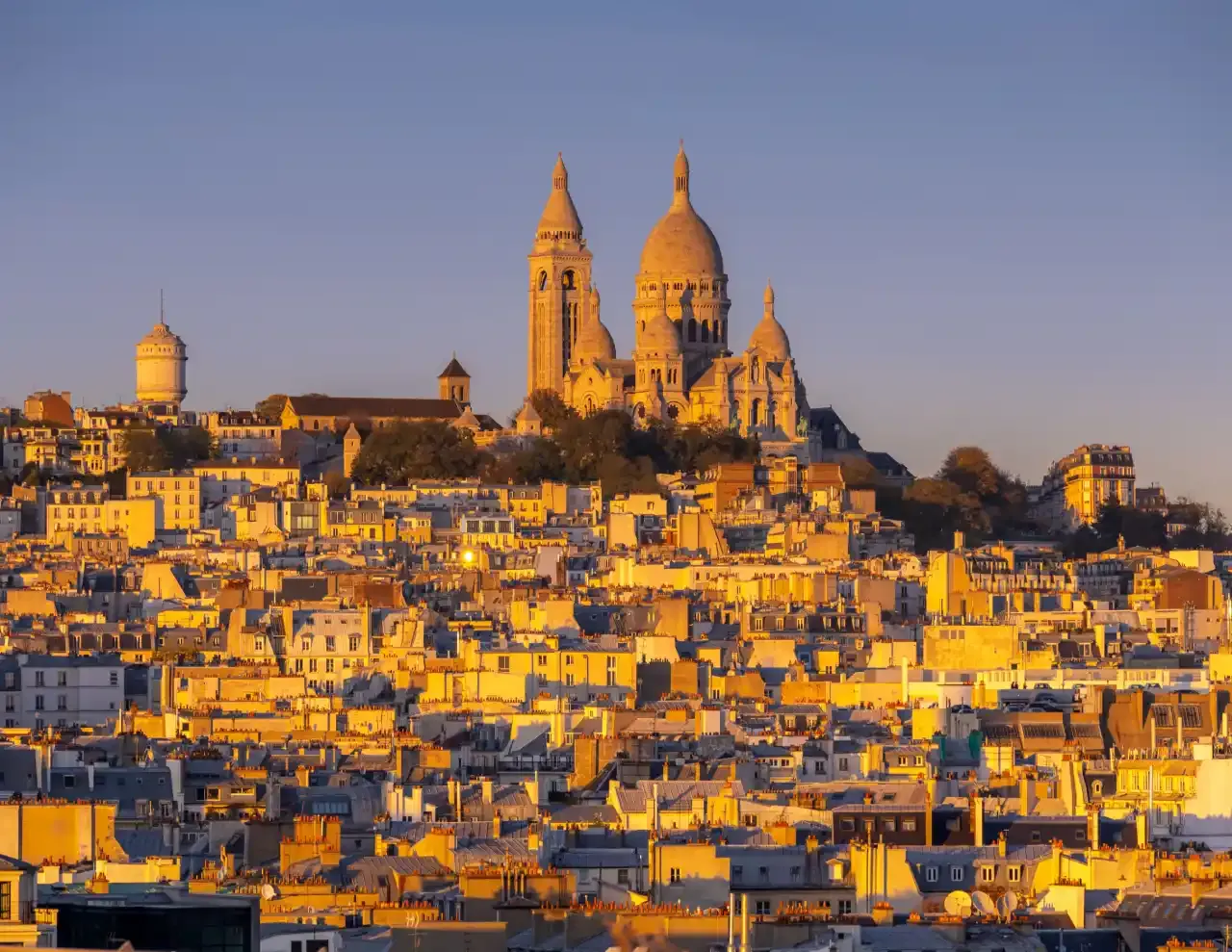
Climb through Montmartre at golden hour
The 18th arrondissement keeps the feel of the hilltop village it once was, and late afternoon light flatters its stairways, ivy-draped facades, and the white domes of the Sacré-Cœur Basilica. A wandering route up the back streets beats the direct march, saving Place du Tertre's portrait painters for last and pausing at quieter squares along the way.
The basilica terrace delivers one of the widest free panoramas in Paris at sunset. Arriving a little before dusk allows time to watch the changing light and experience one of the city's most memorable evening views.
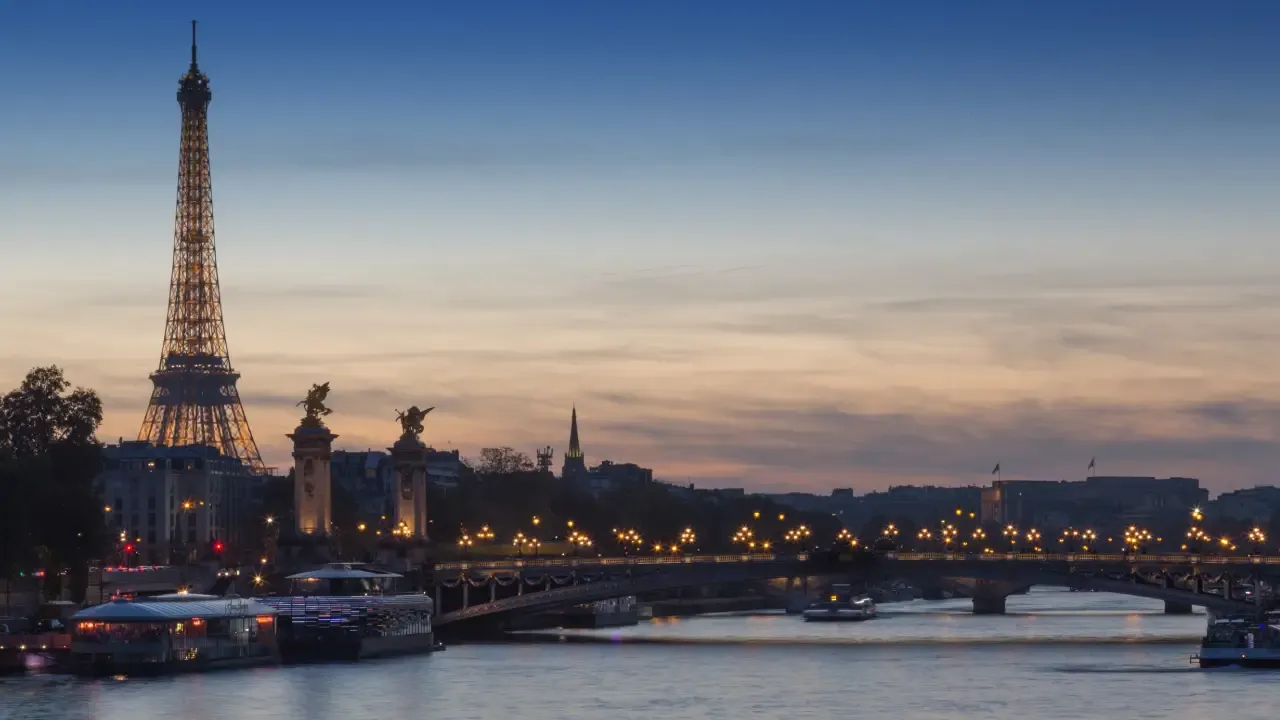
Cruise the Seine at sunset
No other vantage point explains the city as clearly as the river, because Paris grew outward from its banks and the islands at its center. Most sightseeing boats run loops of about an hour, gliding past the Louvre Museum, the Musée d'Orsay, and Notre-Dame Cathedral before circling Île de la Cité and Île Saint-Louis.
Departures in the last hour of daylight catch the stone facades glowing amber, then the bridge lamps switching on. Timing the return leg for the top of the hour after dark adds the Eiffel Tower's five-minute sparkle as a finale.
Watch the Eiffel Tower sparkle
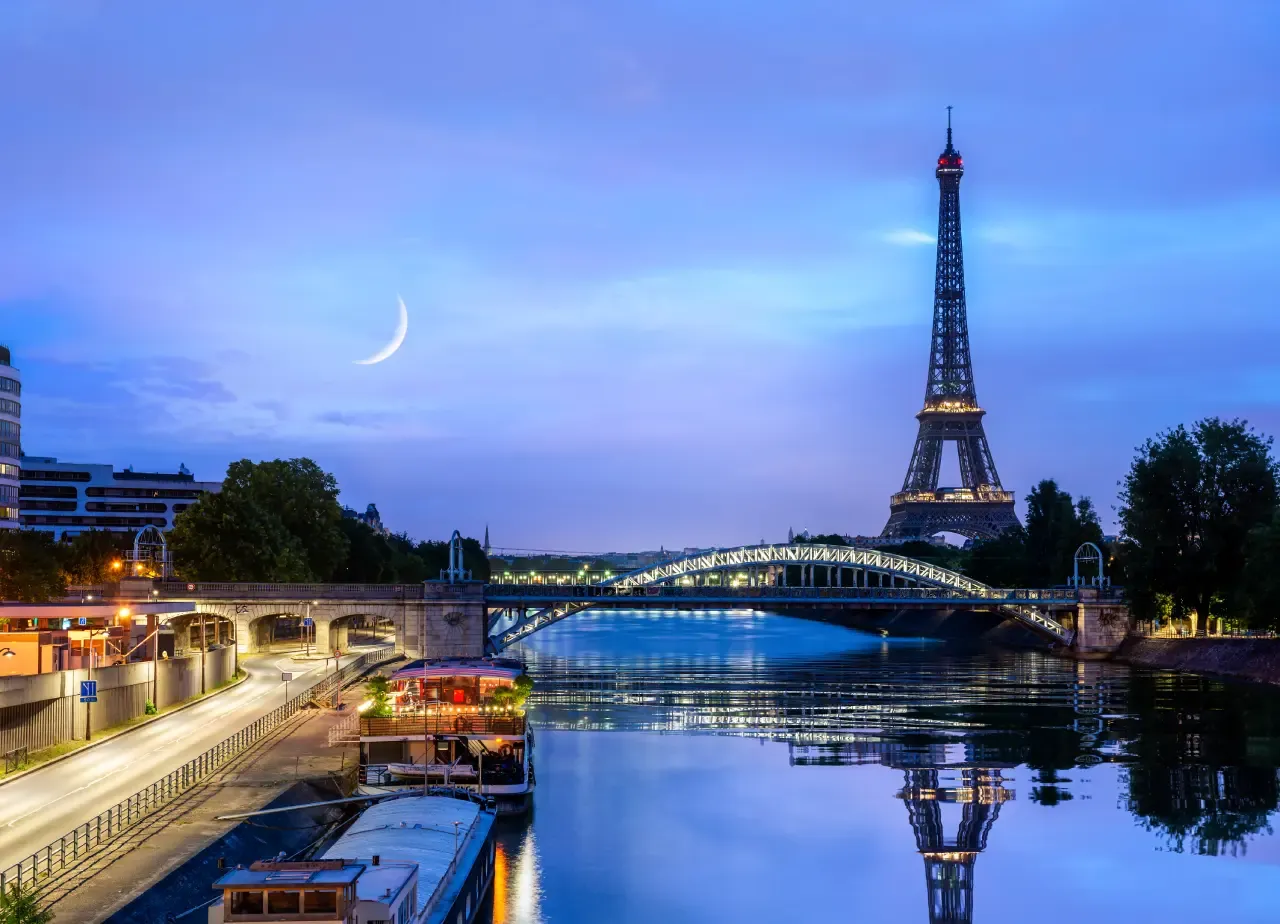
Watch the Eiffel Tower sparkle
The tower's golden lighting switches on automatically at dusk, and from nightfall onward the structure erupts into five minutes of strobing sparkle at the start of every hour. The show reads best from a distance, with the Trocadéro esplanade and the Champ de Mars lawns as classic vantage points.
An evening ascent combines both views, since the tower stays open until 23:00 with last ascents around 22:45, and the 20:00 to 22:30 window is among the quietest of the day.
Main attractions and landmarks in Paris
The headline landmarks of Paris are the Eiffel Tower, the Louvre Museum, Notre-Dame Cathedral (Cathédrale Notre-Dame de Paris), the Musée d'Orsay, Sainte-Chapelle, the Arc de Triomphe, and the Sacré-Cœur Basilica, with the Palace of Versailles as the classic day trip.
Saturday is the measured peak day at the big three, with the Louvre busiest around 15:00, the Arc de Triomphe around 17:00, and the Eiffel Tower around 19:00, so weekday mornings remain the reliable quiet window. The Eiffel Tower opens daily from 9:30 to 23:00, though it closes to the public on July 13, 2026, when the Bastille Day fireworks move forward one day. Summit tickets appear online 60 days ahead and sell out fast in summer.
The Palace of Versailles deserves its own day, with two to three hours for the palace and as much again for the gardens, and its busiest crowds concentrate on Sundays and Tuesdays.
The Louvre, Sainte-Chapelle, and Versailles all require advance timed reservations in 2026, and Versailles slots can fill weeks ahead in high season.
| Attraction | Louvre Museum |
|---|---|
| Why it matters | World's most visited museum, Mona Lisa |
| Closed | Tuesdays |
| Crowd tip | Late Wed/Fri evenings until 21:00 |
| Attraction | Musée d'Orsay |
|---|---|
| Why it matters | Top-rated museum in Paris (4.8), Impressionists |
| Closed | Mondays |
| Crowd tip | Thursday evening until 21:45 |
| Attraction | Notre-Dame |
|---|---|
| Why it matters | Restored Gothic heart of the city, free entry |
| Closed | None (daily) |
| Crowd tip | Same-day reservation, early morning |
| Attraction | Sainte-Chapelle |
|---|---|
| Why it matters | 15 walls of 13th-century stained glass |
| Closed | None (timed slots) |
| Crowd tip | Weekday mornings before noon |
| Attraction | Arc de Triomphe |
|---|---|
| Why it matters | 284-step rooftop over the grand avenues |
| Closed | A few holidays yearly |
| Crowd tip | Evening visit, flame ceremony 18:30 |
| Attraction | Eiffel Tower |
|---|---|
| Why it matters | The skyline itself, sparkles hourly after dark |
| Closed | July 13, 2026 only |
| Crowd tip | After 20:00 or before 11:00 |
| Attraction | Versailles |
|---|---|
| Why it matters | The ultimate royal palace, full-day trip |
| Closed | Mondays (palace) |
| Crowd tip | Earliest slot, avoid Sun and Tue |
Which Paris neighborhoods are worth exploring?
Paris organizes itself into 20 arrondissements that spiral outward from the center, but travelers experience the city through its neighborhoods, each with a distinct personality. Six of them cover most first-trip needs:
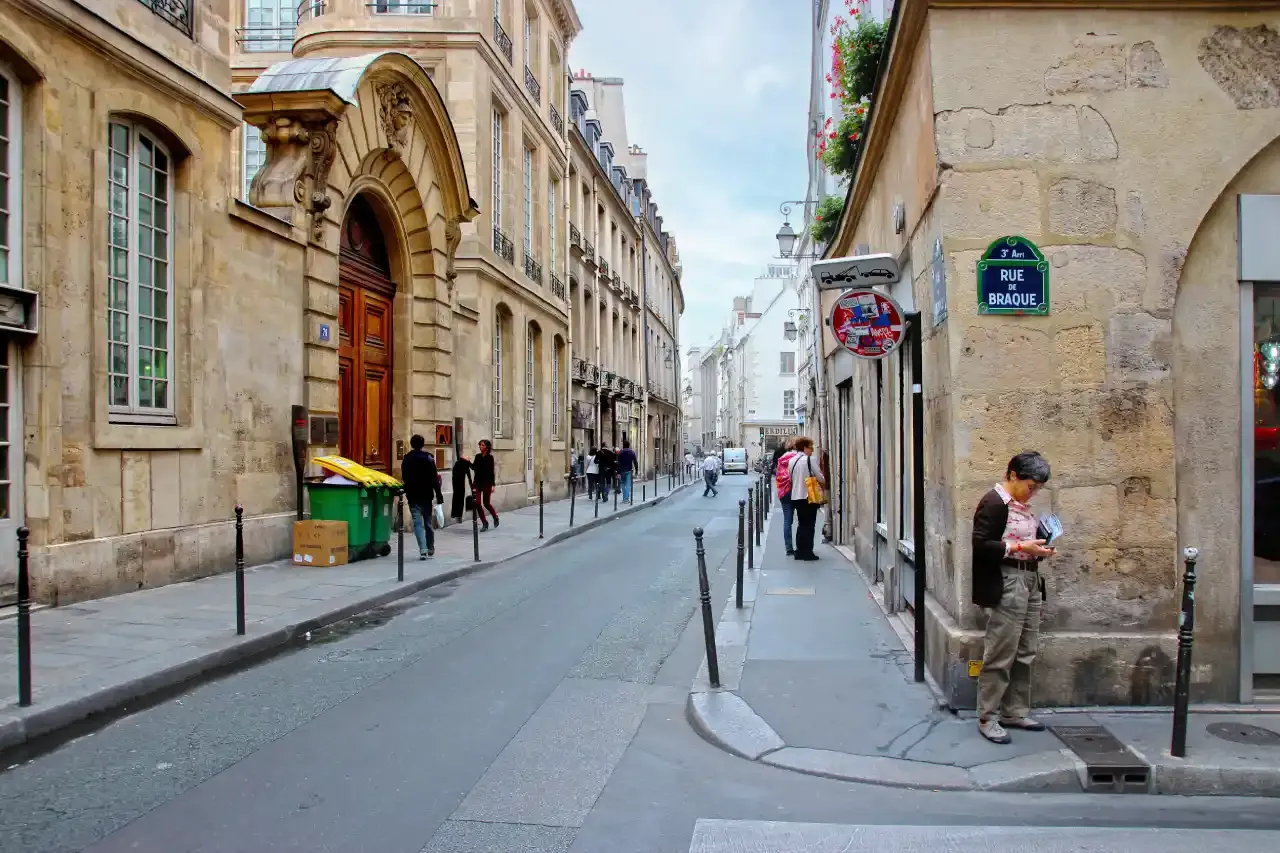
Le Marais
Le Marais spreads across the 3rd and 4th arrondissements, preserving its medieval street grid and pre-1700 mansions. Its historic blocks blend world-class art galleries, independent design, and a vibrant LGBTQ+ scene, remaining the city's liveliest central district on Sundays when the rest of Paris goes quiet.
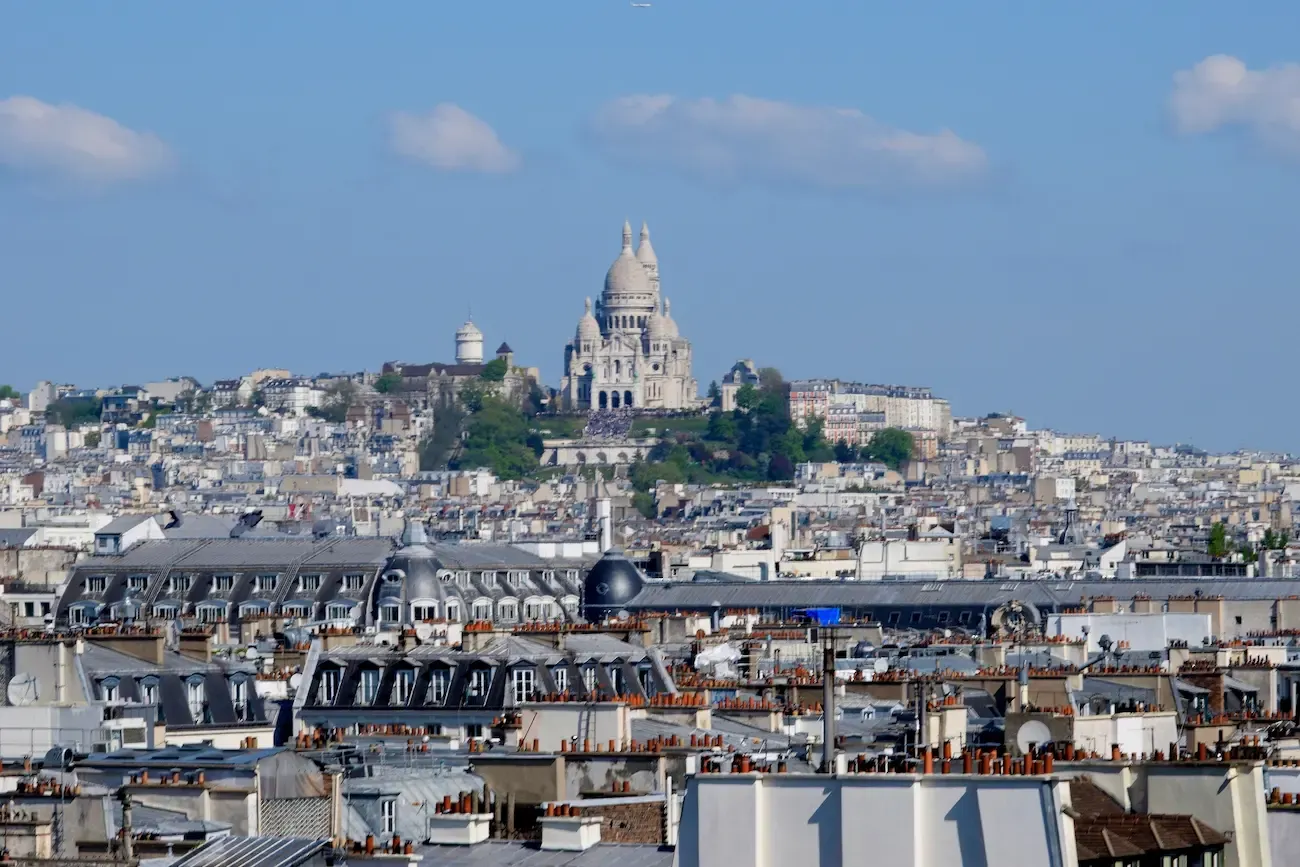
Montmartre
Montmartre rises in the 18th arrondissement as a hilltop village of staircases and artist squares beneath Sacré-Cœur. The blocks around Place du Tertre absorb heavy tourist traffic, yet the back slopes stay residential and calm, and the area holds some of the city's more affordable small hotels.
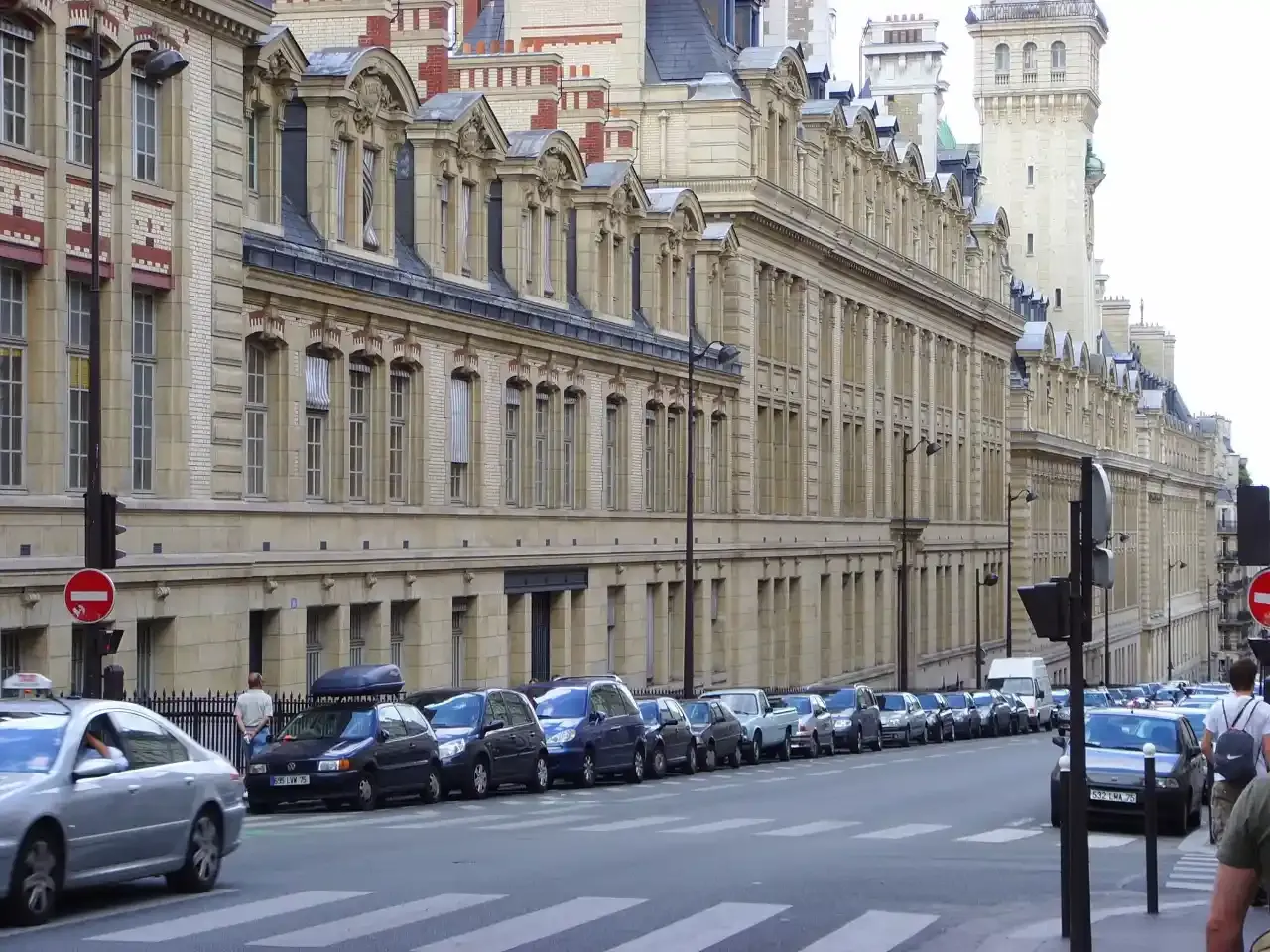
Latin Quarter
The Latin Quarter (Quartier Latin), in the 5th, runs on student energy from the Sorbonne. Bookshops line the boulevards, the Panthéon crowns the hill, and the Rue Mouffetard market street keeps eating cheap and lively, with student-priced meals near the Panthéon for around €15.
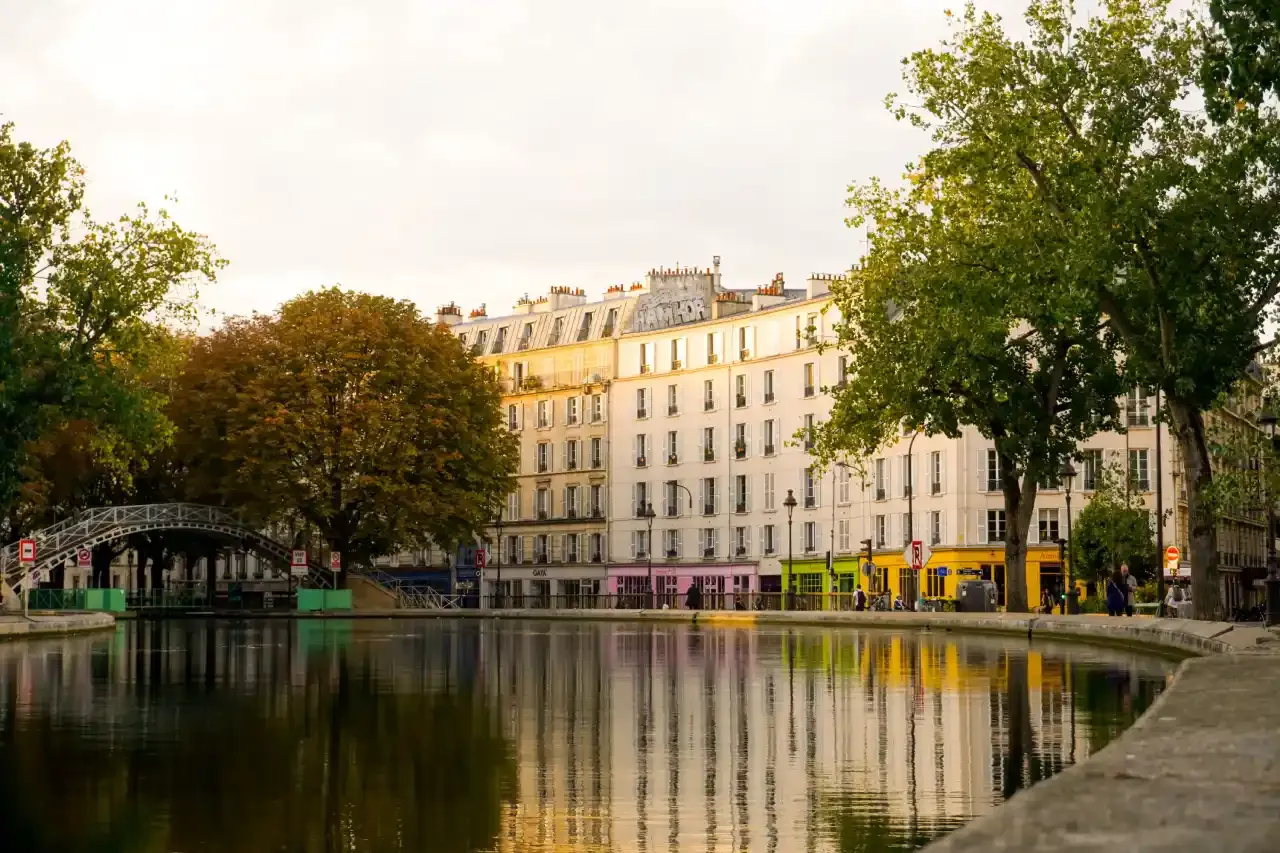
Canal Saint-Martin
Canal Saint-Martin, in the 10th, follows a 4.6-kilometer waterway ordered by Napoleon I in 1802 and opened in 1825, descending through nine locks beneath rows of plane trees. The cafés along Quai de Valmy and Quai de Jemmapes serve a young local crowd, with chalkboard menus, natural wine, and almost no tourist circuit in sight.
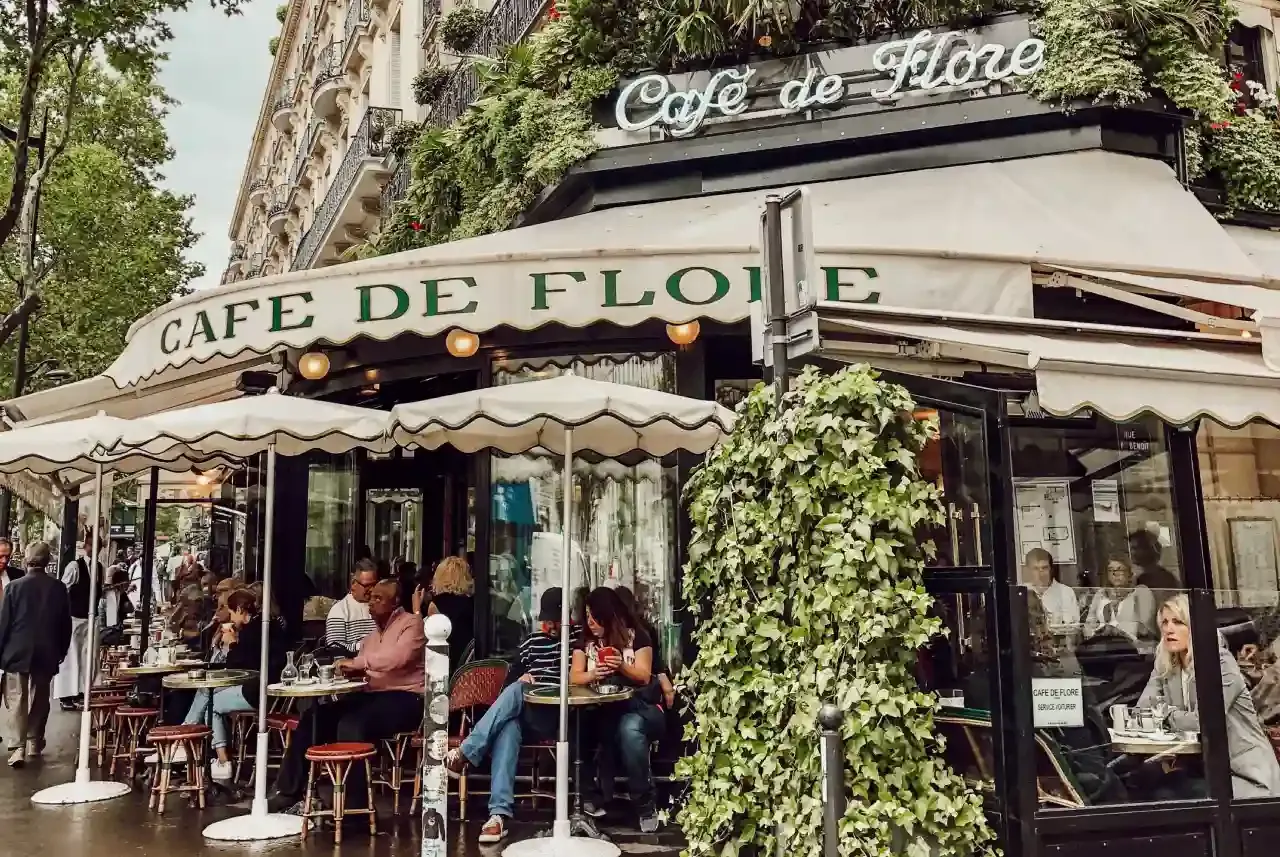
Saint-Germain-des-Prés
Saint-Germain-des-Prés, in the 6th, is Paris at its most polished. The literary cafés of the postwar years share their corners with art galleries, antique dealers, and fashion boutiques, and the Louvre and the Musée d'Orsay sit 10 to 15 minutes away on foot. The polish comes at a price, and the district reads more luxurious than bohemian today.
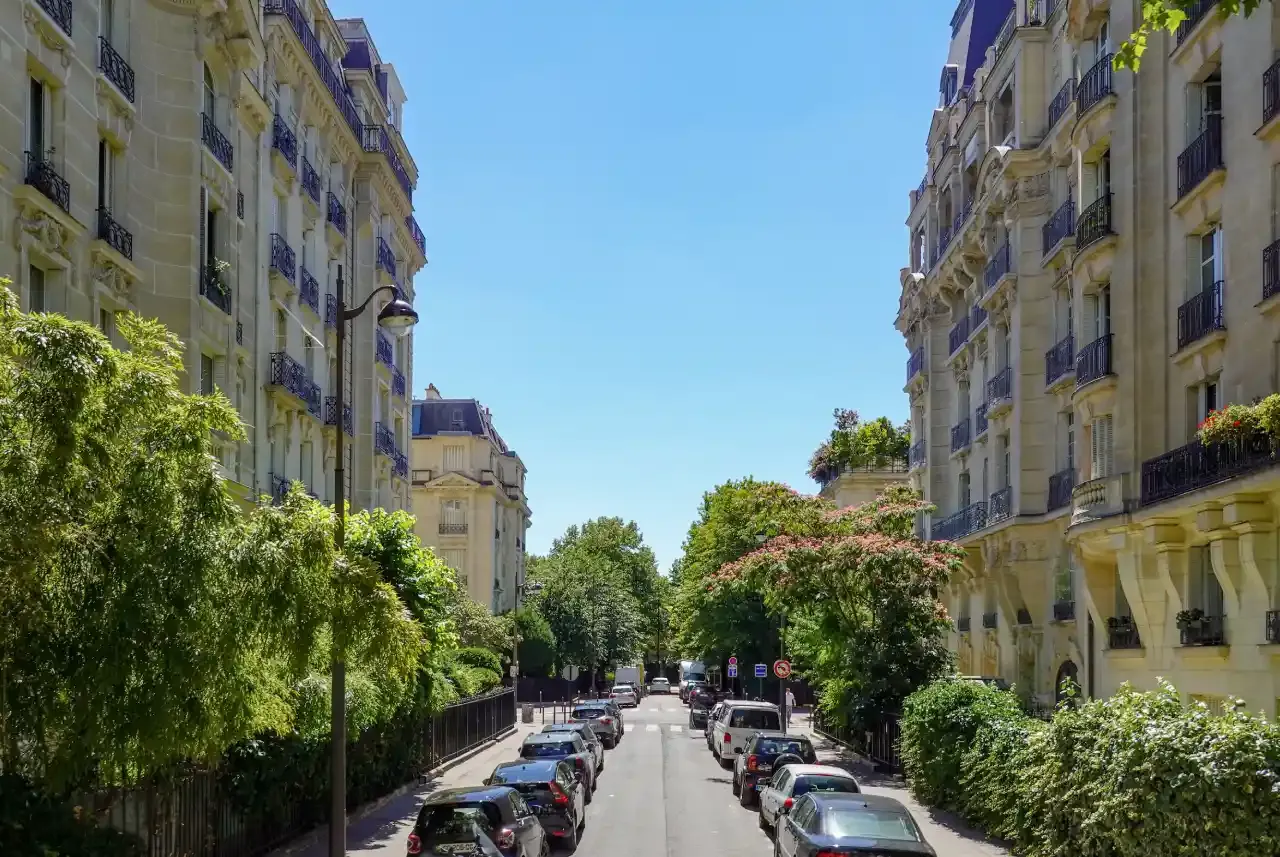
La Muette
La Muette sits in the 16th arrondissement as an aristocratic enclave of quiet luxury and grand Belle Époque facades. The Musée Marmottan Monet draws art lovers, yet the tree-lined side streets stay calm and exclusive, offering a refined, residential retreat completely removed from the usual tourist rush.
What should US tourists know before visiting?
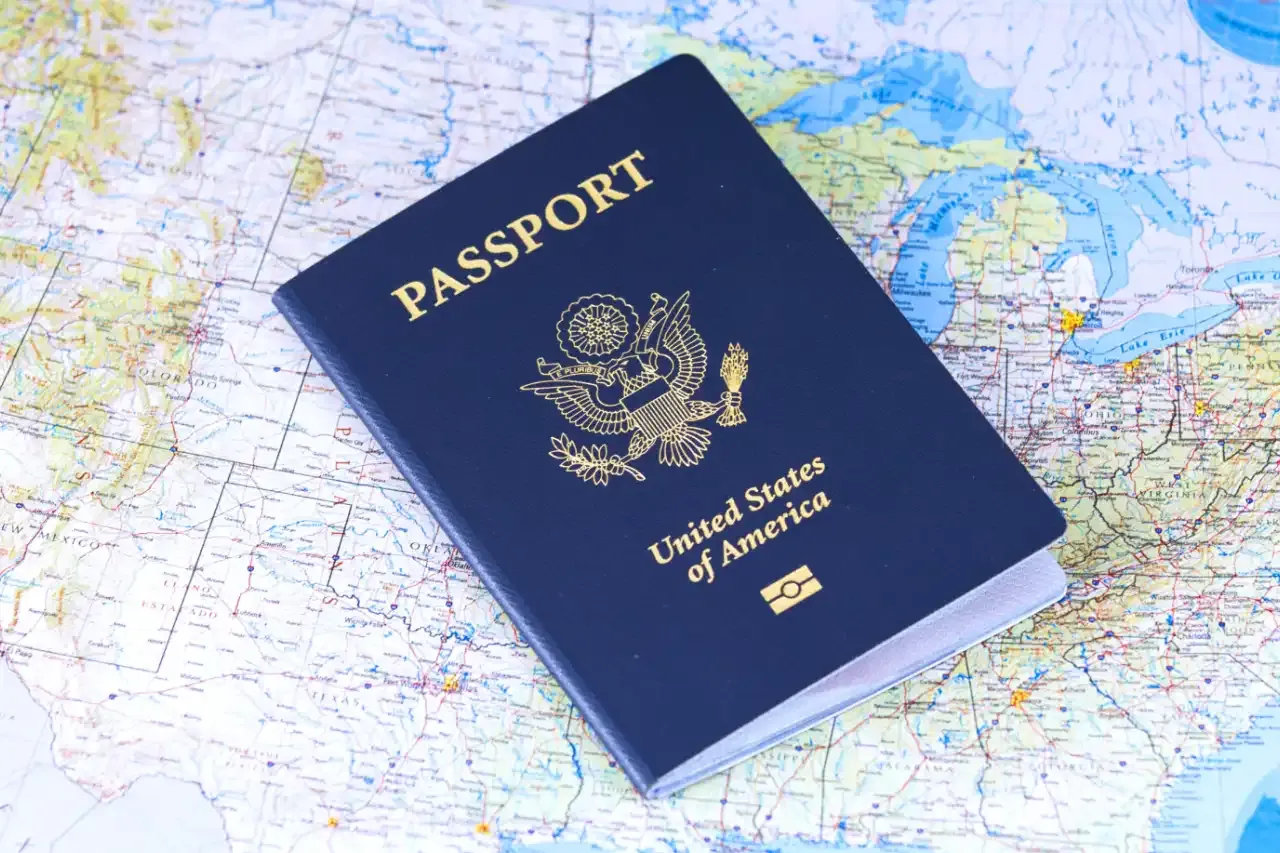
Entry requirements
The EU Entry/Exit System (EES) became fully operational on April 10, 2026, replacing passport stamps with digital records for travelers from outside the EU. American visitors now register a facial image and fingerprints at their first Schengen border crossing, which adds a few minutes on arrival.
ETIAS, the separate online travel authorization, has not launched yet. It is scheduled to begin in the last quarter of 2026 with a €20 fee, and the start date will be announced months in advance. Until then, a valid passport remains the only document US citizens need for stays up to 90 days within any 180-day period.

Where to stay in Paris on any budget?
Hotel prices in Paris follow a simple geography, peaking around the Louvre, Saint-Germain-des-Prés, and the Champs-Élysées corridor and falling meaningfully toward the east without any loss of metro access. In 2026, realistic nightly bands run from €30 hostel beds to €300-plus luxury rooms, with the broad middle between €90 and €280 depending on the arrondissement.
| Budget tier | Hostel / backpacker |
|---|---|
| Best areas | Canal Saint-Martin, Bastille, République, near Gare du Nord |
| Typical nightly range | €30-45 (dorm bed) |
| Who it suits | Solo travelers, longer stays |
| Budget tier | Budget hotel |
|---|---|
| Best areas | 10th, 11th, 13th, Montmartre back streets |
| Typical nightly range | €70-140 |
| Who it suits | Couples watching costs, light packers |
| Budget tier | Mid-range |
|---|---|
| Best areas | Le Marais, Latin Quarter, 7th |
| Typical nightly range | €120-280 (central picks €150-250) |
| Who it suits | Most first-time visitors |
| Budget tier | Luxury |
|---|---|
| Best areas | 1st, Saint-Germain-des-Prés, 8th |
| Typical nightly range | €300+ |
| Who it suits | Special occasions, palace-hotel stays |
A three-star room costing €150 to €250 a night in the 1st or 7th arrondissement drops to €90 to €140 in the 10th, 11th, or 13th, often within a 15-minute metro ride of the same sights. The 7th deserves a special mention as a quieter boutique pocket within walking distance of the Eiffel Tower and the Musée d'Orsay at prices below its glossier neighbors to the west.
Families and groups often do better in apartments, where a central one-bedroom rents for €700 to €1,200 for a week. The eastern districts around the canal and Belleville pair those lower rates with some of the city's best casual eating, a combination that suits travelers who prefer neighborhoods over lobbies. Proximity to a metro station matters more than the arrondissement number on the door at any tier, since the network puts nearly every sight within half an hour of nearly every base.
The best and lesser-known restaurants in Paris
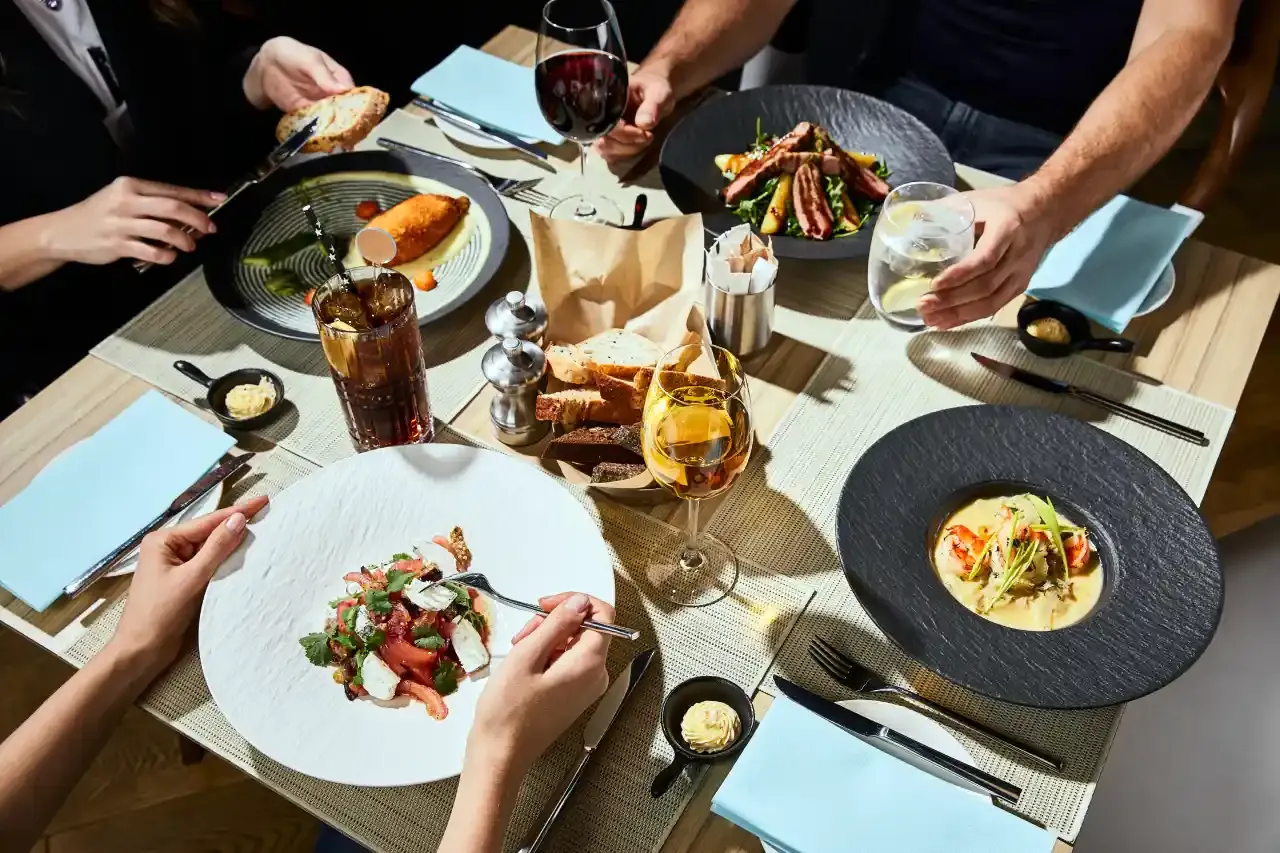
Eating well in Paris in 2026 means looking past the famous reservation-list names toward the bouillons, the neighborhood bistros, and the lunch menus where the city actually feeds itself. The celebrated insider circuit, places like Septime and Le Clown Bar, remains excellent but fills every list and books out weeks ahead.
The bouillon tradition delivers the best value in the city. These high-ceilinged, fast-moving dining halls serve old-school French classics at prices that look like typos, with mains between €13 and €22. Le Petit Bouillon Pharamond near Les Halles pairs a three-story historic interior with lightning service. The newest arrival, the Quartier 1670 bistro at the Army Museum beside Les Invalides, opened in late 2025 with starters from €5 and an old-fashioned veal blanquette that anchors the menu.
The modern food scene concentrates in the 11th arrondissement, where ambitious young kitchens keep opening between Bastille and République. Lissit on Rue de la Folie-Méricourt holds a Michelin Bib Gourmand for its hearty pâtés en croûte and stuffed poultry, a good representative of a neighborhood where quality runs high and dress codes do not exist.
For the bistro experience chefs themselves seek out, Le Baratin has cooked from the Belleville hilltop since 1987, its blackboard menu changing with the market and its natural wine cellar predating the trend by decades. Newer neighborhood spots follow the same logic further north, like L'Amic on Rue Letort in the 18th, where the daily lunch menu runs from €16 for the plat du jour to €22 for three courses.
Reservations a few days ahead suffice almost everywhere outside the famous names, though walk-ins right at opening remain a reliable trick at small bistros.
How many days are enough for visiting Paris?
To experience Paris for the first time, four to five days is the sweet spot. A brief two-day stay forces a rushed itinerary, restricting travelers to just the Eiffel Tower, a single museum, and quick evening strolls. Adding a third day offers more breathing room to explore a second museum and wander through the streets of Montmartre or Le Marais.
However, extending the trip to four or five days is what transforms the experience, allowing time for a third museum, the Sainte-Chapelle, and leisurely neighborhood detours. For those with a full week, day trips outside the city center become a seamless option; a visit to the Palace of Versailles fits perfectly from day four onward, ideally scheduled mid-week to dodge Sunday crowds and Monday closures.
How much is a trip to Paris for a week?
A week in Paris costs a mid-range American traveler about $2,500 per person including flights, based on 2026 market prices. Careful budget travelers manage the same week for $1,200 to $2,000 all-in, while comfort-oriented trips with four-star hotels and fine dining can climb past $4,000. On the ground, daily spending excluding flights runs $110 to $150 at budget level, $150 to $230 mid-range, and $230 to $350 in comfort.
This table breaks down the typical 2026 ranges per person for seven days:
| Expense | Round-trip flight from the US |
|---|---|
| Budget | $600-850 (low season) |
| Mid-range | $800-1,200 (shoulder) |
| Comfort | $1,100-1,600 (peak summer) |
| Expense | Hotel, per night |
|---|---|
| Budget | $80-150 |
| Mid-range | $150-300 |
| Comfort | $350+ |
| Expense | Meals, per day |
|---|---|
| Budget | $30-50 |
| Mid-range | $60-90 |
| Comfort | $120+ |
| Expense | Local transport, per day |
|---|---|
| Budget | $9-11 (3-4 metro rides) |
| Mid-range | $13 (day pass) |
| Comfort | $25+ (occasional taxis) |
| Expense | Attractions, per day |
|---|---|
| Budget | $10-20 |
| Mid-range | $20-35 |
| Comfort | $40+ |
Three levers move the total more than any other:
- Flight seasonality comes first, since the same economy seat that costs around $650 in February reaches $1,400 in July, and booking two to three months ahead trims 20 to 30 percent.
- Hotel geography comes second, because sleeping in the 10th or 11th instead of the 1st saves $60 to $110 a night at identical quality.
- Eating strategy comes third, where bakery breakfasts, market picnic lunches, and prix-fixe midday menus keep food spending near the budget line without giving up good meals.
Travelers carrying that estimate should pad it by about ten percent in high season, when accommodation and even attraction reservations price upward with demand.
Is Paris safe to visit?
Paris is safe for tourists, with violent crime against visitors rare and the practical risk concentrated in pickpocketing and street scams. France carries a Level 2 travel advisory, meaning increased caution for terrorism and occasional civil unrest, the same tier as most of Western Europe. A reinforced police presence covers airports, stations, and the metro.
Pickpocketing defines the real threat model. Teams work the crowds at the Eiffel Tower, Sacré-Cœur, the Champs-Élysées, and the major museums, and above all the metro, where Line 1 and the RER B airport corridor see the highest activity. The signature move is the door-slam grab, snatching a phone as the carriage doors close, followed by the crush-and-grab, where a group jostles a boarding passenger while emptying pockets. Phones belong in zipped front pockets, bags ride worn across the body with the zipper forward, and standing away from the doors removes most of the opportunity.
The street scams are predictable enough to list:
- The found gold ring, presented with a request for a reward
- Friendship bracelets tied onto wrists on the Sacré-Cœur steps, followed by a demand for payment
- Petition clipboards that occupy hands and attention while an accomplice works
- Three-card monte circles around Pont Neuf and Trocadéro, where every bystander winning money is part of the crew
Sensible additional habits include carrying one card and minimal cash, verifying menu prices before sitting down near Notre-Dame and Montmartre, and booking taxis through an app rather than accepting any driver who approaches inside a station or terminal. Late at night, the areas around Gare du Nord and the Pigalle fringe of Montmartre deserve more awareness, and a near-empty metro car is worth skipping for the next one.
The EU-wide emergency number, 112, connects police and medical services from any phone.